
Visit to the Port Authority of Valencia: Key Insights into Maritime Freight Operations from the Inside
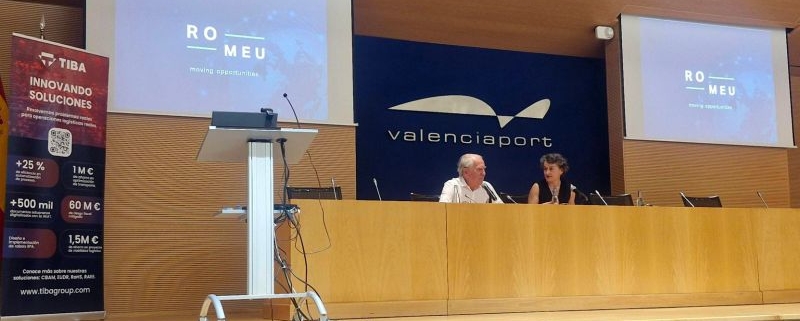
How We Experienced the Port of Valencia with Our Clients
There is something that often happens in international logistics: we talk a great deal about ocean freight, but we rarely get to see how it actually works.
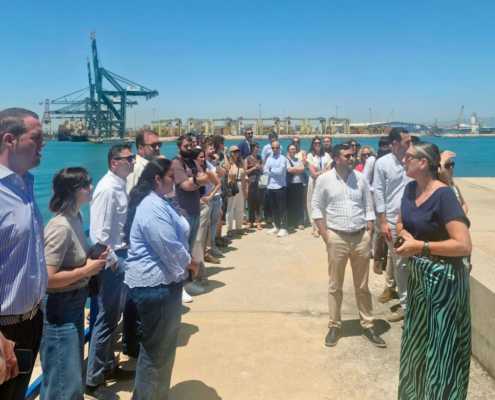
Yesterday, we had the opportunity to visit the Port Authority of Valencia, one of the key hubs for cargo traffic in the Mediterranean and across Europe. We did so alongside several clients who, in many cases, had never had direct exposure to port operations.
And that is where the most important questions begin to emerge.
The Port of Valencia as a Strategic Supply Chain Hub
The Port of Valencia is much more than a port facility. It is a logistics hub that connects international maritime routes with inland transportation networks, both rail and road.
According to the Port Authority itself, it is one of the leading ports in the Spanish port system in terms of container traffic and a key gateway for trade routes linking Europe, Asia, and the Americas.
During the visit, attendees were able to gain first-hand insight into how operations are organized: container terminals, port access points, coordination among stakeholders, and many of the elements that, from the outside, often go unnoticed. In reality, however, these factors influence critical decisions in any international logistics operation.
A Discussion Closely Connected to Operational Reality
During the visit, we had the opportunity to hear from Francisco Romeu and Mar Chao, President of the Port Authority of Valencia. Rather than a formal presentation, it was a highly insightful discussion about what is currently happening within the port environment.
Because while logistics is often discussed in broad terms, the real challenges emerge when you look closely at the details.
For example, one of the topics addressed was capacity, an issue that becomes particularly relevant during peak seasons. The discussion focused not on capacity in theory, but on what happens when demand surges and how that affects daily operations.
A recurring topic in any port environment was also addressed: terminal efficiency. How can movements be optimized and transit times reduced while recognizing that every decision has an impact on the wider supply chain?
Sustainability was another key subject, as expected, though approached from a highly practical perspective, focusing on the initiatives currently being implemented and their real operational implications.
And perhaps most importantly, the conversation highlighted the need for coordination. After all, a port does not operate in isolation. Numerous stakeholders are involved, and when one link in the chain experiences disruptions or inefficiencies, the effects are felt across the entire operation.
The discussion ultimately came down to very tangible realities: lead times that shrink or extend, costs that fluctuate, and operations that must adapt almost in real time. For any company involved in ocean freight, this is everyday business.
Why It Matters to “See” the Supply Chain
One of the most common comments during the visit was simple yet revealing: understanding this part of the supply chain changes the way decisions are made.
When a company imports or exports goods, it is not simply purchasing transportation services. It is entering a complex ecosystem involving multiple stakeholders: shipping lines, terminal operators, port authorities, and logistics providers.
Seeing the port in operation helps companies better understand aspects such as:
- Why certain delays occur.
- How vessel schedules influence planning.
- The role terminals play in maintaining operational efficiency.
And above all, it helps businesses anticipate challenges before they arise.
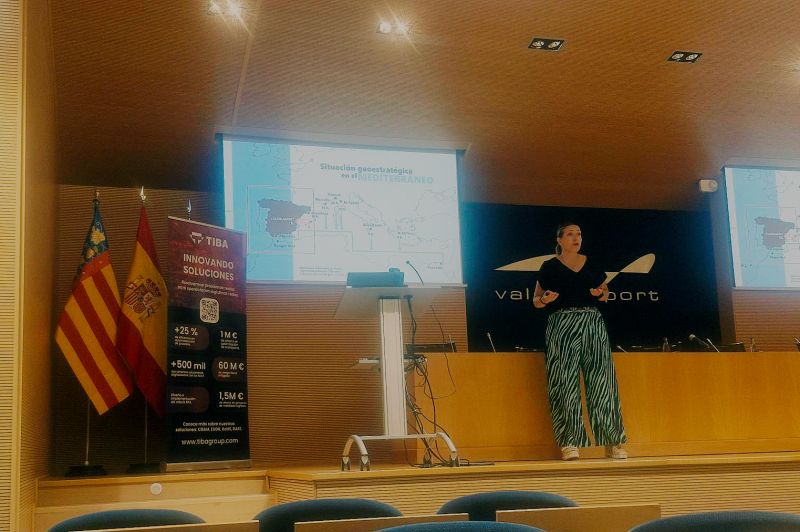
When Logistics Stops Being Abstract
There is a moment during visits like these when everything starts to make sense.
It usually does not happen during a technical explanation or in front of a presentation slide. It is much simpler than that. It happens when you see an operation in motion and understand how it connects to your own reality: a pending order, tight inventory levels, or a committed delivery deadline.
That is when the port stops being a concept and becomes part of your day-to-day business.
Because what happens in environments like these ultimately affects very specific decisions within any company: when to purchase, how much inventory to hold, and how much risk to assume in an international operation.
And that is probably the greatest value provided by initiatives like this.


Leave a Reply
Want to join the discussion?Feel free to contribute!